
From Malory’s Materials to a Prose Epic
Le Morte d'ArthurThis flow traces the editor’s account of how Malory shaped inherited romances into a lasting English story, and how Caxton made it available to readers.
increasing Bearing strength in each event
 decreasing
Bearing strength in each eventdecreasingFrench and English Sources
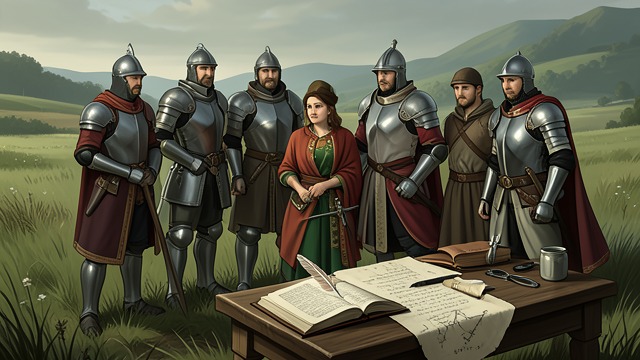
Materials Become a Story
Inherited narratives
Malory draws upon old French and English romances, selecting stories of Arthur, Launcelot, Tristram, and the Grail. The older material is much larger than the finished book.
A maker, not only a translator
The introduction argues that Malory changed sequence and substance as he shaped the sources. Selection and compression create a larger design that no single source supplied.
The Work Reaches Its Ending
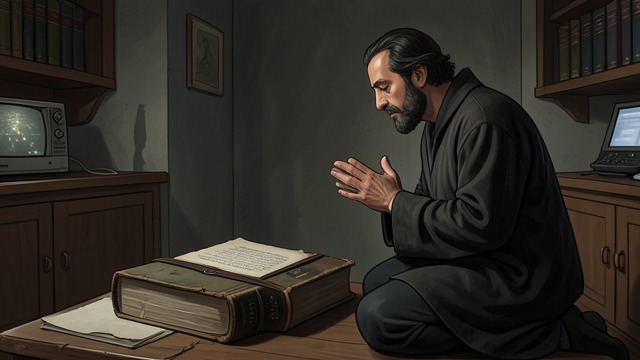
A Book Is Completed
The author names his work
The book’s colophon says that Sir Thomas Malory finished it in the ninth year of Edward IV’s reign. Its conclusion asks readers to pray for the author.
Ending and scale
Although called The Death of Arthur, the work covers birth, life, deeds, and death. The title points toward the final tragedy while enclosing an entire heroic history.
Caxton Prints the Story
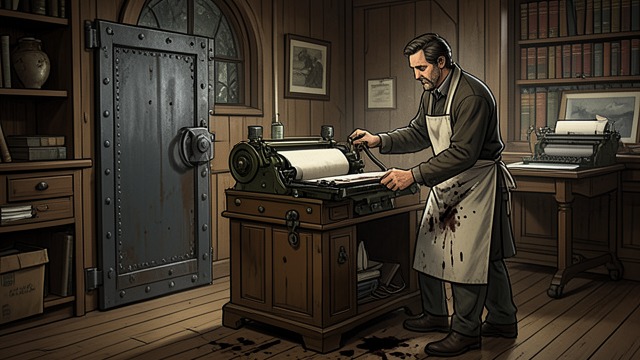
Print Extends the Audience
A printer answers demand
William Caxton says that gentlemen urged him to print the history of Arthur and the Grail. He presents the book as a source of instruction and entertainment for varied readers.
A new English readership
Printing allows the story to circulate beyond manuscript culture. The introduction sees Caxton’s choice of popular English books as a foundation for national literature.
Textual Variants Accumulate
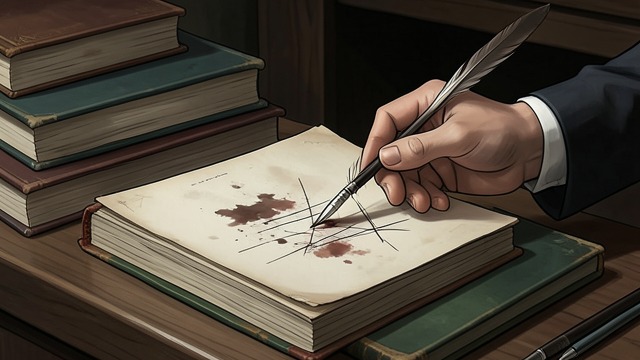
Each Edition Changes the Text
Reprints depart from Caxton
Wynkyn de Worde and later printers alter spelling, wording, and passages. Some editions introduce substantial additions that are not in Caxton’s first printing.
Editors recover the differences
The comparison of surviving copies reveals how a text can shift through copying and printing. Accuracy becomes part of the book’s later history, not merely a matter of its original composition.
The Book’s Later Reputation
A Prose Epic Is Reassessed
New editions invite readers
Editors make the text more accessible, while scholars compare early versions and sources. The introduction argues that Malory’s prose has a direct beauty despite its roughness.
Influence travels forward
Spenser, Milton, Shakespeare, and later writers inherit Arthurian materials in different forms. The book remains influential because readers continue to find both heroic ideals and moral contradictions in it.
Before Malory completed the book in 1470
In 1470, during the reign of Edward IV
In 1485, at Westminster Abbey
From the late fifteenth century through later reprints
From the nineteenth century into the modern period
